Grant programs are seen as transaction in nature rather than based on a partnership. Typically, grant programs consist of a one-time donation to a deserving organization or individual, like a grant for a student to go to college, and then little to no follow-up. But 1 FUR 1 Foundation and grant recipient Tree House Humane Society have developed a long lasting relationship unlike any other. Let’s take a closer look:
 Tree House’s animal assisted service program has been in place from the inception of this no-kill Chicago shelter. As the organization grew the rescue and rehabilitation of homeless cats increased exponentially. Therefore all efforts were focused on caring and adopting these loving creatures. Without dedicated staff and even less time to spare the animal assisted program dwindle down to 5 active long term facilities who were providing their elderly residents with a cat visit once or twice a month. At 1FUR1 we saw an opportunity to help to offer this free-of-charge animal assisted service to as many long term care and assisted living facilities as possible.
A year later, our Animal Assisted Activity (AAA) program has blossomed and the community impact skyrocketed. We delivered 100% increase in active facilities where AAA visits take place, as illustrated by the informative map on our Get Support page. In another words, 1FUR1 doubled the first year grant goal and currently works with 15 assisted living facilities where close to 100 residents reap the many benefits of the human-animal bond, each month.
 According to the facility newsletter on this grant program the Activity Director of an active facility remarked; “Last week Amanda brought two kittens and the residents who attended our ‘Cuddle a Kitty’ group had huge smiles on their faces… The cats have a calming presence and many of the residents like to hold the cats, give them treats, or play with their toys. Thank you so much for sponsoring this incredible program. It definitely makes a difference…”
There is even more benefits this grant program delivered, which we didn’t foresee. The cats’ participation in the AAA visits showed potential adopters that these cats were “socialized.” Their personalities are warm and gentle around people in facilities such as nursing homes, hospitals, and domestic violence shelters. Therefore we witnessed a spike in adoption – 89 cats were adopted as a result.
The best news is that though the year is coming to a close, 1 FUR 1’s partnership with Tree House Humane Society is not. Our second grant period will build upon the success already delivered by acquiring more active facilities and providing new strategies that offer sustainable growth for this program, its volunteers and supporters. That is how 1 FUR 1 Foundation shows our commitment to ‘Helping Animals Heal People’.
Happy Thanksgiving!
This Thanksgiving season, we would like to give thanks for all of our awesome readers (that means you!). We’re excited for turkey day – food as far as the eye can see, good company, and a post-turkey nap. Of course, our pets are as excited about that day as they are to get food everyday. Please consider a $27 tax-deductible gift today that will allow us to visit a groups of residents who cannot go home to celebrate the holidays but a loving a cat or a dog will bring them joy and peace. To show our gratitude, we’ve decided to post not one but TWO adorable dog videos.
Our one tip – please keep food out of their reach while you prep the Thanksgiving table. Pets find ways to get it, to see what other animal lovers are posting this holiday, click here.
If you’re feeling extra giving today, 1FUR1 would be extremely thankful of any donations of any size. As a young public nonprofit we do not take any state or federal funding for any of our charitable work. We solely reply on the generosity of the public to offer all animal assisted services to people in need, always free of charge. Enjoy your holiday!
Happy Holidays,

This month is National Senior Pet Month, so shelters all over the country are either reducing or waiving the adoption fees of their ‘old’ resident pets. Many people believe that senior pets are not worth adopting. This is far from the truth, as senior pets are often the sweetest and most gentle. To make it easier for people who decide to adopt a senior pet, we’ve compiled a list of tips on how to care for them.
- Make sure to get the correct food. Many pet food companies make age specific kibble, which provides the nutrients and vitamins your pet needs most.
- Keep lots of toys around. Senior pets can go senile, so giving them things to stimulate their brains keeps them sharp and playful for a long time.
- Take them for regular vet check-ups. A lot of animals don’t want their owners to know when they’re sick or injured. They’ll act like their happy, healthy selves no matter what, but it is important to get the okay from the vet.
- Brush your dog’s teeth. A lot of health problems can be avoided if you keep your old pup’s teeth squeaky clean.
- Ensure that their exercise is age appropriate. Don’t take them out for a three hour hike, but do make sure they get out for a thirty minute walk everyday.
- Make sure they’re comfy. Lots of older pets develop arthritis or other health problems. Providing them with soft bedding eases their pain and makes for warm and cozy naptime.
- Love them just like you would a younger pet. The only difference is that your pet is now older and wiser. We can learn a lot from taking care of them and seeing how they deal with the curve balls life has thrown at them.
 During my time as a pet sitter, I worked with many kind, amazing animals. My favorite (don’t tell the others!) was a nine-year old yellow lab named Rocky who always had a smile on his face (featured in picture). Working with Rocky taught me a lot. He is a sweet old man and an utter joy to be around. Everyone who saw him instantly broke out in a smile. He brought so much joy into my life and my work. He, and every other senior pet, deserves patience and love, just like any other animal.
National Pet Awareness Month is interestingly named, to say the least. Whether you have a dog who gnaws on your shoes or a cat who slips her paw under the door when you’re in the bathroom, most of the time you’re very aware that you have a pet. But we here at 1FUR1 would like you to join us this month in celebrating your little fluffy ragamuffin. Here are five ways to do that:
1.) Birthday Party

from rapidbash
Most pets’ ages are rough estimates from vets, so designate a day near your vet’s estimate and celebrate your pet’s birthday! Get their favorite treat and give it to them while singing “happy birthday” . . . assuming they can wait the whole song without devouring it. (Hold off on the candle for your pet’s safety, no matter how cute of a photo opportunity it would be on Instagram.)
2.) Make Them Something

We’ve previously covered crafting tips for a local shelter, but if your dog’s chewed through her bed, there’s no stopping you from using the no-sew method in that article to make her a new one! If you’re not crafty but can cook, there are hundreds of recipes so you can whip up a homemade treat for them. (But please, read up on what foods might harm your pet before you make them something edible.)
3.) Have Them Act As Your Muse
https://www.youtube.com/watch?v=bH24-M3PAAE#t=24
Today we gripe when our cats walk across our keyboards while we’re trying to work, but there’s a famous classical piece called “Fugue in D Minor” by Domenico Scarlatti where his cat walked across his piano keys–and he liked the notes the cat stepped on so much that he composed a piece inspired by her. For this reason, this piece is nicknamed “Cat Fugue.” Frida Kahlo was famous for having many pets and including them in her self-portraits. Weimaraner fans have probably seen William Wegman’s clever portraits. If you’re a creative type, your next muse to help you get through a “block” could be the very critter that’s keeping you from doing your work.
4.) Share Their Antics Online
Online pet popularity is at an all-time high. Reddit gave us Grumpy Cat, Facebook gave us Boo the Pomeranian, YouTube gave us Little Bub, Biscuit the Sleepwalking Dog, Mishka the Talking Husky, Maru the Cat, and countless other pets who have brought smiles to the faces of millions. Other people definitely see your pet as cute as you see them!
5.) Just Spend a Little Extra Time With Them

A dog’s not going to know that the reason you can put kibble in his bowl is because of the cartoon shorts you make about him, but he does know that you love him when you take some time out of your busy day to throw the ball. During a commercial break in your favorite TV show, try breaking out the laser pointer for your cat instead of getting up to get a snack. We here at 1FUR1 have documented the many benefits a pet has on your happiness, now you can return the favor and make your pet happy, too.
We’ve already talked about the dogs of war, so now it’s time to talk about their human counterparts. Veterans Day is a time to show our thanks and appreciation to all those who have fought for our country. They have done a lot for our country – they keep us safe and free. They deserve to be honored all year round, not on just one day. That is why 1FUR 1 is excited to continue working with Kindred Spirits Therapy Minis.
What Kindred Spirits Therapy Minis Does
 They are the ONLY therapy mini horse program in the Florida panhandle is led by a brave active duty Air Force woman. Her name is Nancy and her 4 therapy mini horses and one therapy mini pig cultivate joy among individuals by offering animal assisted activities designed improve ability to connect, stimulate tactile response, enhance motor skills, encourage use of the senses, and generally lift spirits.
The central objective revolves around bringing our expertly trained and nationally certified miniature horses into contact with individuals who find themselves navigating challenging circumstances, be it in the realm of their mental well-being, physical health, or emotional state. To fulfill this purpose, we have conceived specialized programs tailored to cater to diverse groups in need. Our outreach encompasses young children and teenagers facing significant risks, veterans who have served their nation, emergency responders who valiantly protect our communities, families affected by natural disasters, organizations dedicated to relief efforts, and individuals grappling with thoughts of self-harm or emotional anguish.
How to Honor Veterans Year Round
- Donate or send animal supplies that includes feed, treats, toys, and gift cards. It’s the perfect way to give fun to those amazing and hard-working animal!
- They serve for us, why not serve for them? Show service members your gratitude throughout the year with a home-cooked meal, thank you note or day of volunteering.
- Support veteran-owned businesses. Websites like buyveteran.com can help you identify such businesses in your area.
- Whenever you see someone in uniform, say a little thank you, smile, or perform a random act of kindness to let them know how much you appreciate them.
Most people think of one person when they think of assistance dogs: the person who uses their services. But there is actually a team of people behind each service dog, from breeders to trainers to veterinarians. I spoke with one service dog veterinarian in Chicago, Dr. Tracy Hlede of Oz Animal Hospital, who owns this pet clinic and works with service dogs as well as therapy animals to make sure they are in tip-top shape to work with people who need them.
1.) What are some federal requirements for service dogs?
All service dogs must be up-to-date on their vaccinations and go through an annual fecal screening. With service dogs and animal-assisted therapy dogs, you are sometimes working with people whose immune systems are compromised, so it is of utmost importance that these animals are healthy. State requirements may vary, but the federal requirements are the vaccinations and the fecal screening.
2.) What measures are taken to protect these animals from getting sick? Or that people don’t get sick from the animals?
The aforementioned vaccinations and screenings are the measures, but if the animals are working a lot, the annual exams happen every six months instead. The fecal screening is especially important because dogs and other animals carry parasites in their feces that can make people very sick. There are also monthly heart-worm pills and other general preventative measures. It is in the best interest of public health to keep these animals healthy, especially if they work in hospital wards. It was recently discovered that dogs can be carriers of methicillin-resistant Staphylococcus aureus (MRSA), which is deadly to humans and dogs alike, so we don’t allow people with contagious diseases to touch the dogs or kiss them. But with diligent testing, we can usually notice if something’s awry, and we practice general sanitation techniques such as washing one’s hands after they pet the dog.
3.) Have you noticed a change in a dog’s behavior from before it was a service dog to after?
I would say that’s hard to tell because I am not a trainer who sees the dogs right at the beginning of their training when they are puppies. The dogs in general are very content, well-adjusted, and patient in nature. Regular pet-dog patients are usually more stressed in my office.
4.) What inspired you to help animals initially?
I have always loved animals. I was an only child and I was very shy, not very outgoing with other people, but I would see animals on the street and approach them. I got my first cat at 10 years old when I was going through a lot of life adjustments and changes. She became my best friend and inspired me to be more empathetic and caring.
5.) Any advice for future veterinarians?
It’s not just about having that love and passion for animals, it’s about knowing the science and medicine to help them. I stuck with science and math and I worked hard to get into vet school. There are not as many vet schools as there are human medical schools, so they’re very picky. So I would say study and get good grades in math and science!
Thank you, Dr. Hlede, for taking the time to talk with 1FUR1 and thank you for all the work you do with service and animal assisted therapy dogs!
The loss of a pet is a heavy blow to a family. Traditional ways to memorialize a pet include a headstone in a garden or displaying a beautiful urn of ashes on a shelf, but some pet owners want unconventional ways to honor their pets’ memory. Here are a few unconventional pet memorials that 1FUR1 supporters have chosen:
1.) Trees and other “green” memorials
When Ira’s dog passed, she said she “never considered cremation” or other traditional methods for memorializing him. “We are including a headstone that says ‘We love you more than you love cheese,’ but otherwise the method we are going with is not traditional,” said Ira. “We are burying him in a pet cemetery that is more beautiful than a human cemetery, with more shade and trees, and we are planting a tree next to his body.
“Planting a tree next to his body is giving back to the earth. His life is giving this tree life. We chose a pine box that is biodegradable and a species of tree that is easily cultivated. We can get seeds from the tree to plant elsewhere to continue his legacy,” said Ira.
2.) Pet Portrait
Memorialize your pet and celebrate your love of art at the same time. Many artists at Etsy and other online craft retailers will paint or draw your pet in oil, watercolor, charcoal, pen and ink, and other mediums. Prefer something three-dimensional? Some create polymer clay figurines for your pet’s urn, some sculpt urns in the likeness of your pet, and some create little needlepoint felt creatures for a more fuzzy version of a pet memorial.
3.) Memorial Jewelry
After a pet passes, some people choose to wear the tag on their pet’s collar as a memorial, but memorial jewelry does not stop there. Jewelers can create tiny wearable urns so you can wear your pet close to you. They can also recreate your pet’s pawprint in jewelry or stamp your pet’s name and a memorial message on silver or gold.
4.) The “Rainbow Bridge” Poem
The “Rainbow Bridge” poem is a popular poem that has been making its rounds on the Internet for years. The poem speaks of a heaven where your pet is enjoying the activities he did in life and the ‘rainbow bridge’ that he crosses to get there, and it ends on a touching note wherein you and your pet are reunited in heaven. The author of this poem is unknown, but as with pet portaits, there are many artists who do beautiful prints of this poem to display in your house, and you can get prints of ‘The Rainbow Bridge’ personalized with your pet’s name.
We at 1FUR1 are sorry to hear of your pet’s passing and want to help comfort you in any way we can. For some people, a statue of a dog with wings for their garden feels right, while for others it may be a tattoo of their pet’s name. Any way you choose to honor your pet’s memory is a good one.
Today is National Pit Bull Awareness Day. These large, ferocious-looking dogs are the most recent “bad dog.” They are stereotyped to be vicious. People believe that they will turn on their owner in a moments notice, which has led to a lot of legislature banning this breed of dogs. But are they really as bad as people make them out to see? And if so, have the laws helped at all?
The bans of pit bulls are examples of breed-specific legislation, or BSL for short. BSL was created in the hopes of preventing dog fights. Currently, there are no US states where Pit Bulls are banned from the entire state, but many cities have breed bans that prohibit Pit Bulls and other breeds considered dangerous.
 How can people honestly look at this face and see a killer? Pit bulls deserve love, just like every other dog breed. Discriminating against one breed is not the way to go about preventing dog fights and attacks. Instead, we suggest to approach this issue by providing, free-of-charge; 1) Public Pet Care Classes 2) Dog Ownership Training 3) Animal Assisted Activities. We hope that each community in every state can learn to love, respect and care for pit bulls and all other animals in need.
In an article from the Presidents of PETA, we learned shocking facts that are result from pit bull breed-specific propaganda. “Pit bulls are the breed most often found chained in dismal backyards 24/7, thrown into fighting rings to rip each other to shreds and electrocuted, drowned or hanged for losing fights. They are also the number one breed admitted to many shelters, and tens of thousands of them are euthanized each year for lack of a good home. According to the ASPCA: Approximately 7.6 million companion animals enter animal shelters nationwide every year. Of those, approximately 3.9 million are dogs and 3.4 million are cats. Each year, approximately 2.7 million animals are euthanized (1.2 million dogs and 1.4 million cats). There can be no justification for breeding more dogs of any kind. Preventing more pit bulls from ending up in a world where so many of them are exploited, abandoned or tormented simply because of their physical traits isn’t breed-specific “discrimination”–it’s breed-specific protection.”
October is Pet Wellness Month. We know you want to keep your fluffy, feathery, or scaly partner(s) in crime healthy, and we want to help you do that. We’ve compiled 11 tips that will keep your pet happy, balanced and health:
Visit your Pet Vet
- Bring them to the vet at least once (or twice!) a year for a check-up and vaccinations.
- Keep an eye out for signs of allergies.
Monitor Food
- Make sure you’re feeding your pets the right food. A lot of times, food is breed and/or age specific. Your five month old golden retriever does not exactly have the same dietary needs as a five year old Pomeranian.
- It’s important to keep an eye out for food manufacturer recalls and make sure they’re getting the right amount.
Get Exercise
- Make sure your furry baby is getting enough exercise.
- Keep ’em social! A lot of animals love to spend time with humans, but it’s important to have them hang out with their own kind every once in a while. Setting up play dates is great for you and your pet.
Be Proactive Not Reactive
- Use holistic remedies when your pet gets stressed out to prevent behavior habits that can become issues.
- Look for dietary supplements to help prevent breed specific problems, such as calcium deficiency or hip dysplasia.
- Be a dentist for a day – brush their teeth to prevent plaque from building up. Bonus: it gives them fresh smelling breath!
- Keep ’em groomed! Some animals, such as rabbits, clean themselves, but for everyone else, they need a little bit of help. Give your chinchilla a dirt bath and brush your pup regularly.
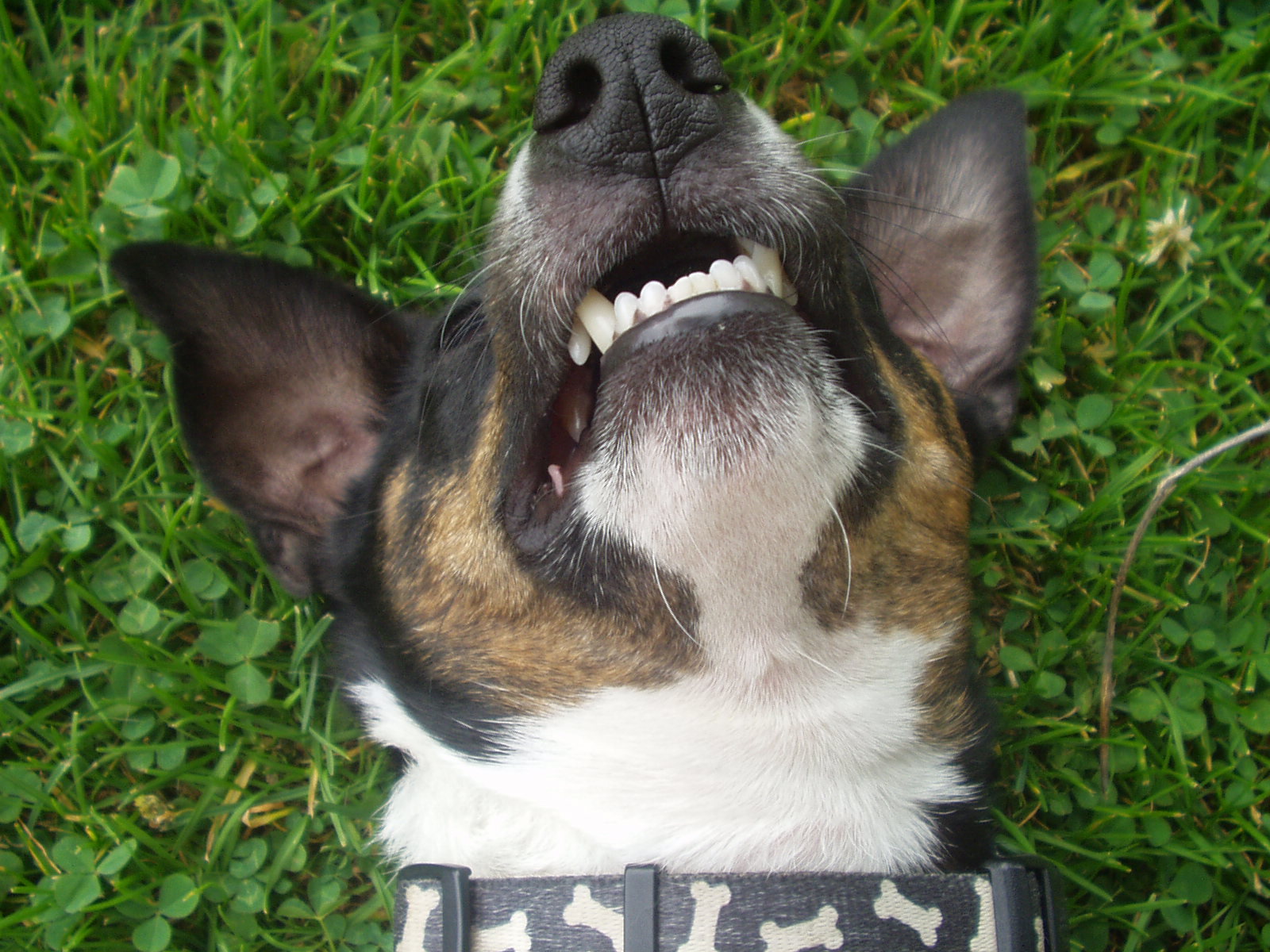 Whether it be a dog or a cat, a reptile or a bird, every animal loves to feel the sunshine on their face so be sure to bring your pet outside (safely on a leash, of course). Being in a new environment stimulated their senses of sight and smell.