Valentine’s Day is a holiday dedicated to cuddling up and spending time with the one you love most. You know, the one who is always there for you, who picks you up when you are down and never complains about how you spend your days (so long as you spend them together). Most people spend this day with their significant other, but we all know that the traits listed above apply to pets, too.
Your pets are always there for you, and grateful for the little things you do for them. Don’t forget about your pet this Valentine’s Day – show them you love them by giving them a new toy, or a treat, or taking them to your local park. Remember at this time how fortunate you are and please donate to worthy causes, such as your local animal shelter, rescue, or charity. Also, using Goodsearch.com (an alternative search engine) and entering 1FUR1 Foundation as the charity of your choice could never hurt!
Happy Valentine’s Day, from all of us here at 1FUR1, and from all those who contributed pictures and stories:
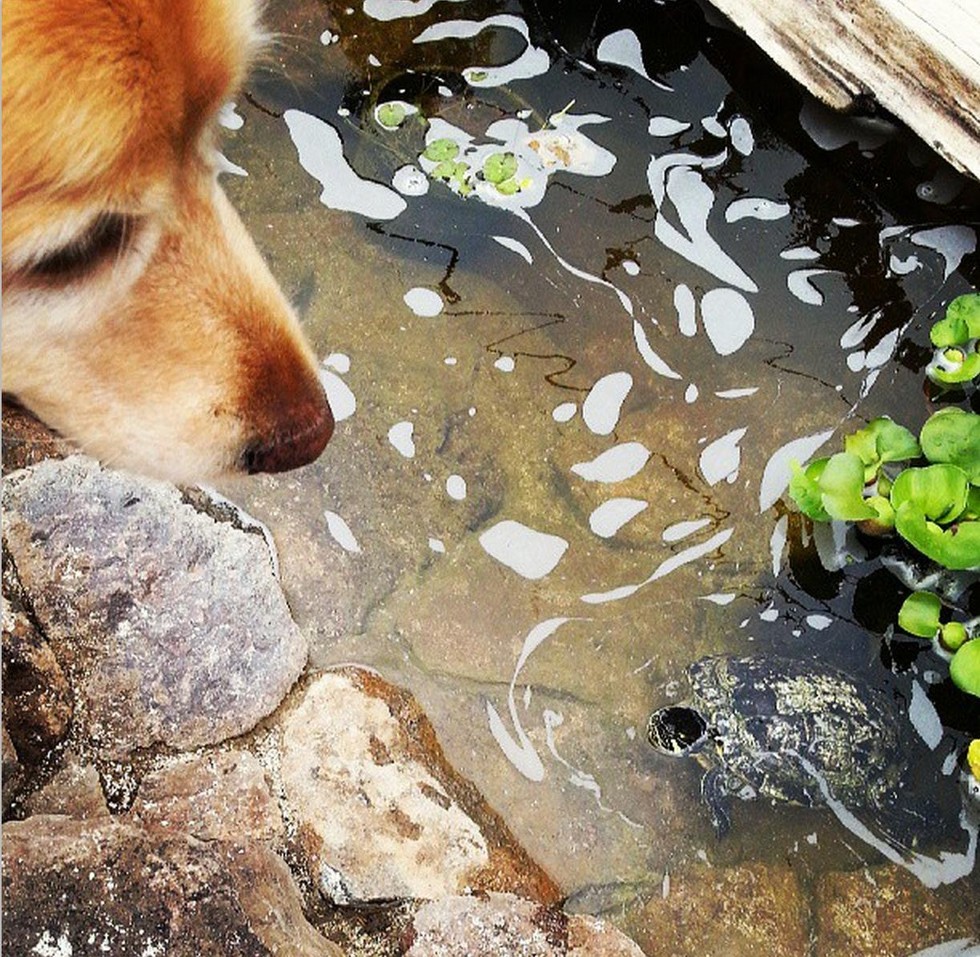
“At a young age, I adopted a small turtle, Leia, who was far more sassy than I could ever imagine. For the first couple of years I had her, she was never around other turtles; the only other animal she knew was my seven year old golden retriever, Abbie. Even after Leia was joined by three other turtles, she and Abbie had a close bond and could be seen spending time together.” – Source: http://instagram.com/p/a9Oy6Zr9A3/?modal=true
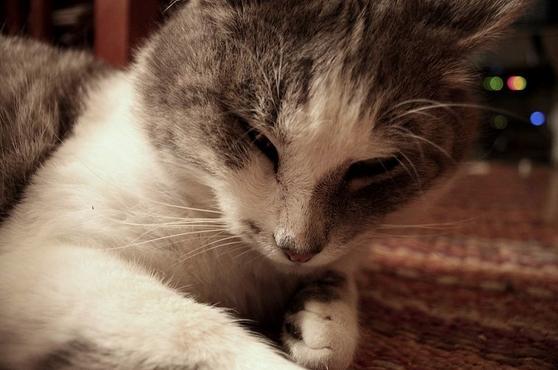
“One of my favorite memories with Snuggie was probably when we would sit on the couch and watch TV. He was named “Snuggie” for a good reason – he would snuggle with you and take a nap. You could also wipe the floor with him and do a lot of weird things with him because he was so laid back and didn’t care. I miss that sweet cat everyday, and think about him a lot.” – Source: Aly Basa
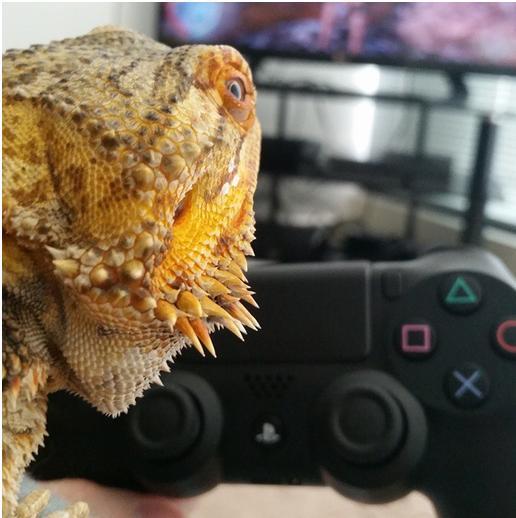
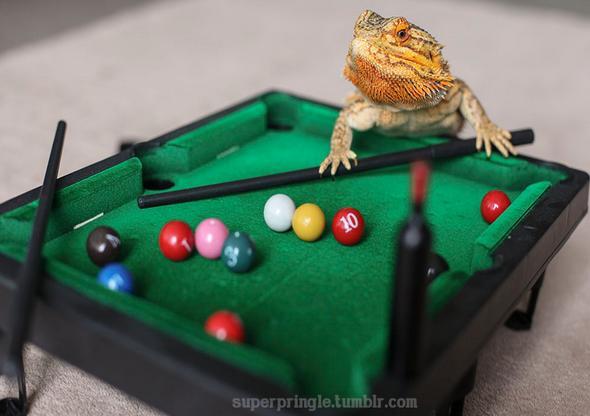
“When my bearded dragon, Pringle ,and I don’t feel like doing much, we like to have lazy days playing video games. He also has many other skills, including a knack for playing guitar and playing pool.” – Source: http://superpringle.tumblr.com/post/108695154321/lazy-day-gaming-with-pringle
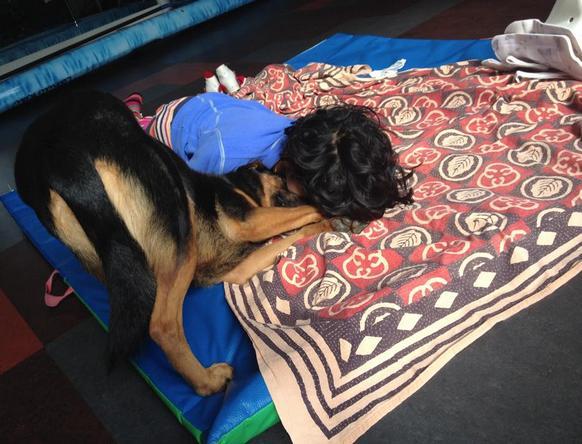
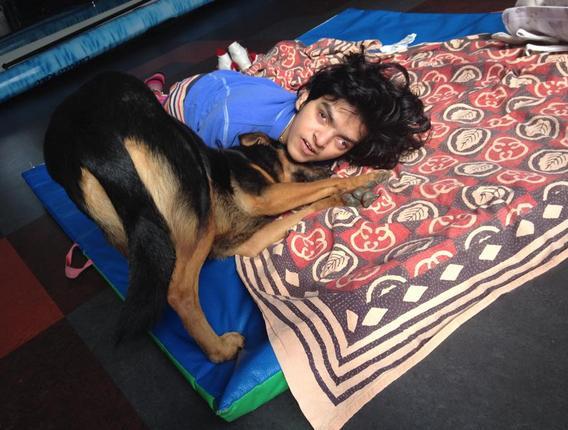 “Any animals with my sister is adorable. It’s really cool to see her connect with animals, especially dogs, because they can communicate in a way with her that we can’t. It’s so amazing to see the love she receives from these dogs and the love she gives back to them. All dogs are also unbelievably sweet with her, like they are always aware of where she is.”
Source: Meg Kikkeri
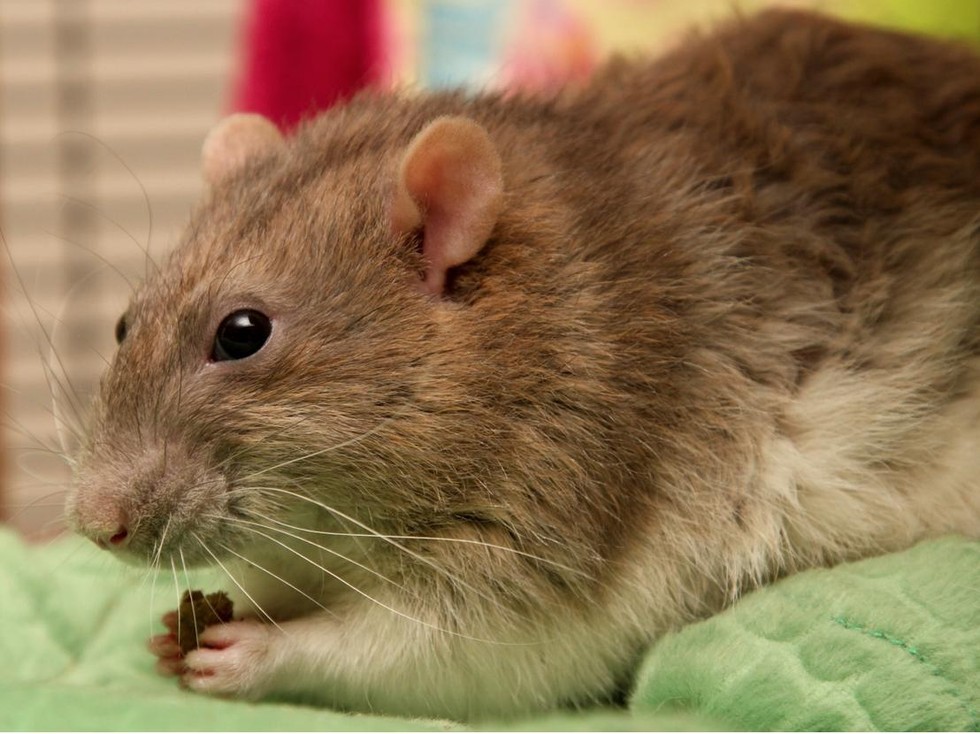 “Philip is a happy rat. He loves being tickled to the point that he really has no other interests in life, other than being held by the scruff of his neck. Whenever he is tickled, he bounces around & then runs back to be tickled again. He also enjoys licking hands. I once left my phone on the couch for a few minutes and he decided to take a picture and text it with the inspired caption of ‘Qua’ to one of my friends.” – Source: http://many-splendored-rat.tumblr.com/image/107654451611
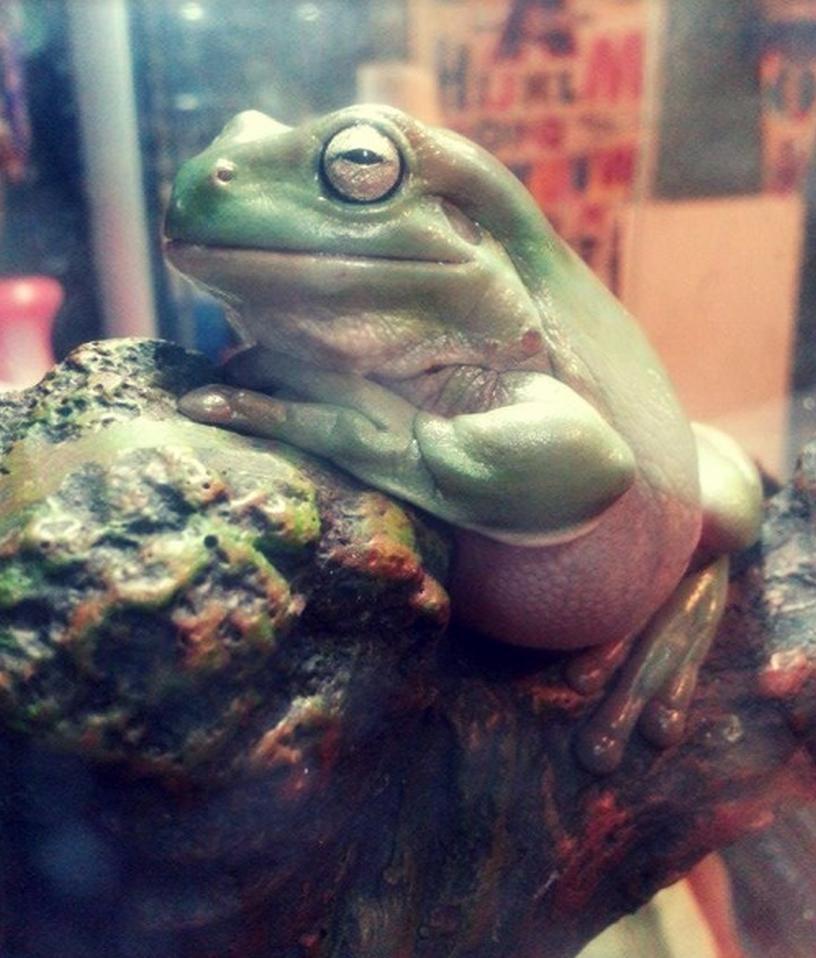
“I think it’s safe to say that Dave is king of the terrarium. Here he is, sitting on his throne with a belly full of crickets.” – Source: http://earthandanimals.tumblr.com/post/110706574494
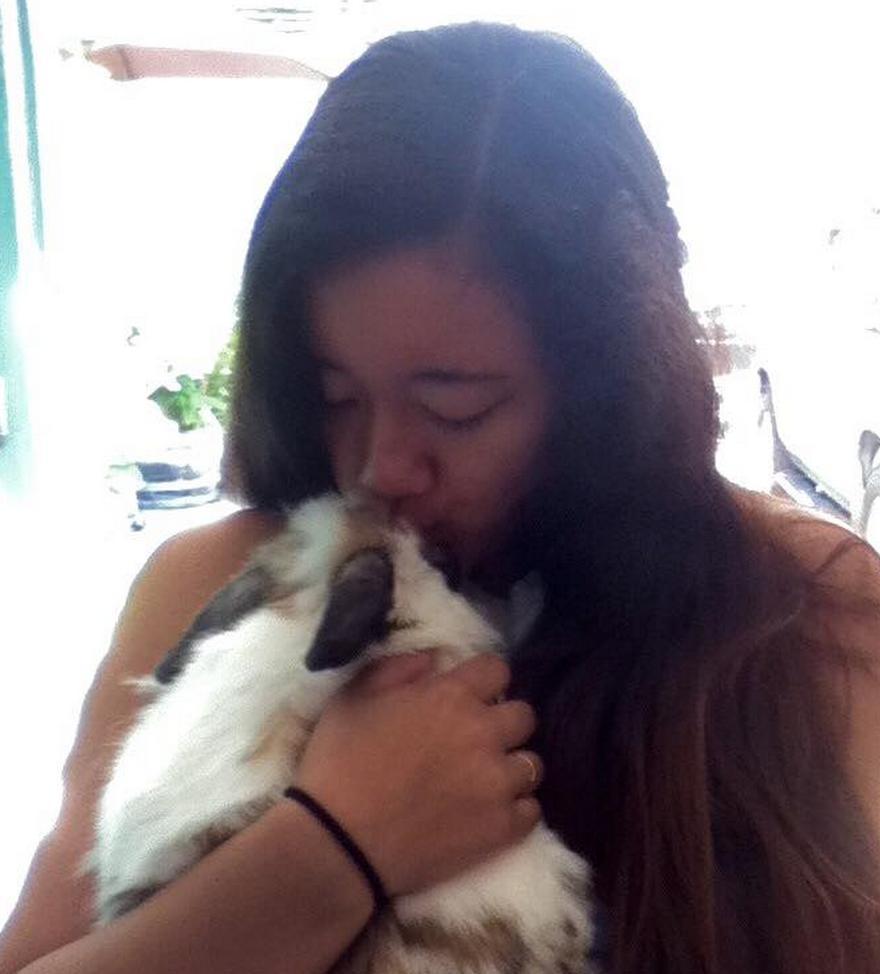 “This is my baby girl Souma. I adopted her from the Rabbit Haven, an organization that saves bunnies from the streets. She is my little study buddy. Whenever I do homework in the dining room, she jumps out of her cage (we leave it open and let her roam around the house – our house is rabbit proof) and starts nibbling at my feet until I pick her up and put her on my lap to sit with me. Then she always falls asleep, and it’s super adorable because my baby snores. I never knew bunnies could snore. Then when I try and wake her up she starts licking me and then just falls asleep again.” – Source: Adriena Le
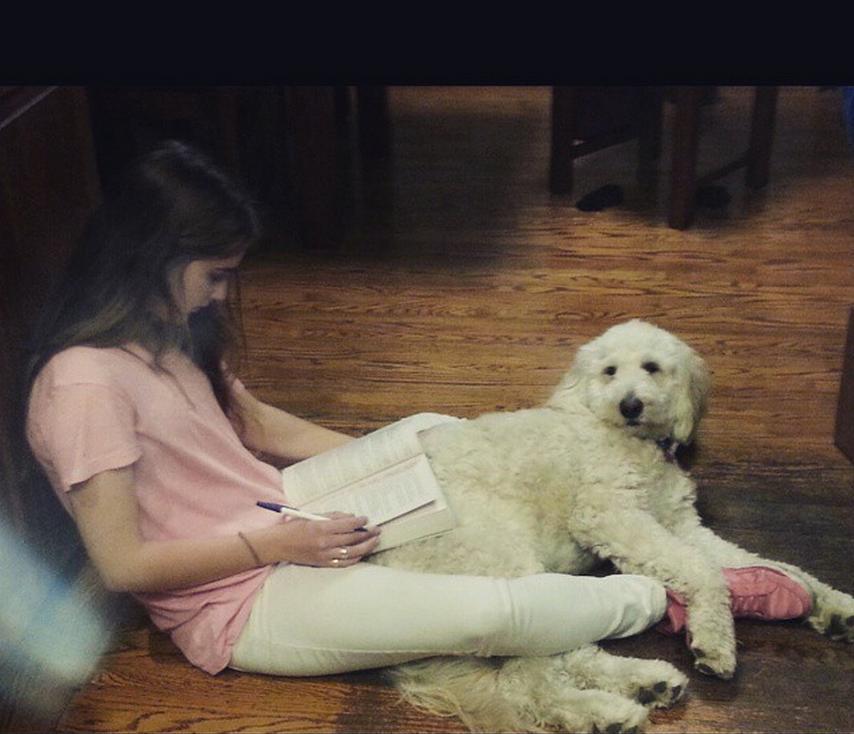
“Without meaning to, I trained my 3-month old, 15 pound Golden Doodle to curl up to me everytime I sat on the floor. Little did I know at that time, she would soon grow to be 70 pounds but still love cuddling with me.” – Source: http://instagram.com/p/ybTYbhL9A0/?modal=true
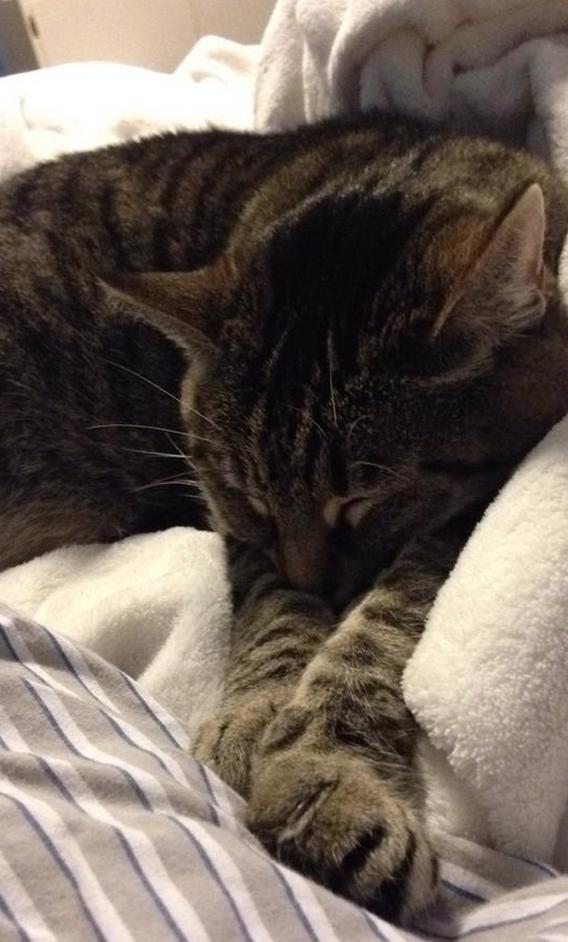
“My cat, creatively named Tabitha because she is a Tabby cat, is only sweet to me and my mom. She likes to bully my sister, but sits on my lap and cuddles with me all the time.” – Source: Matt Liston
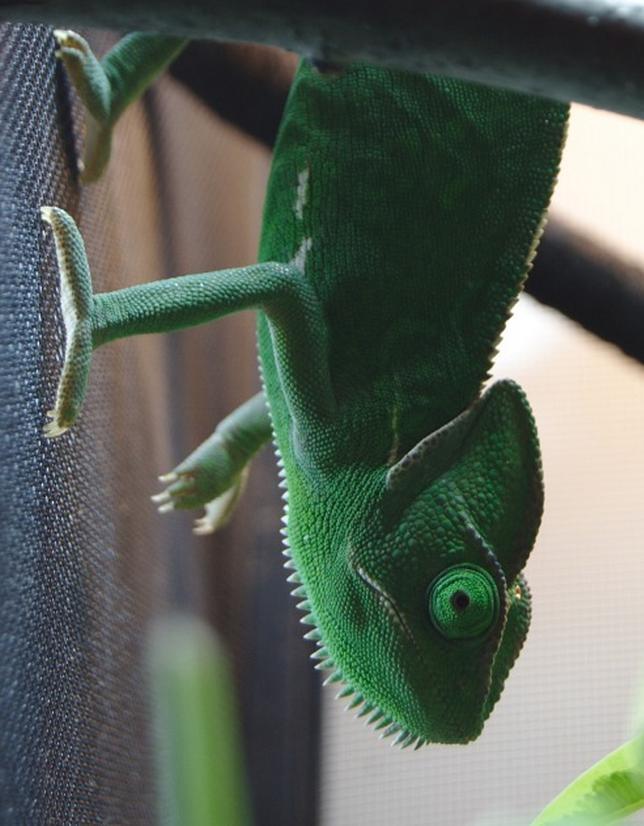
“My chameleon Norman, laughing in gravity’s face.” – Source: http://wheresnorman.tumblr.com/post/104638298715/norman-slowly-climbing
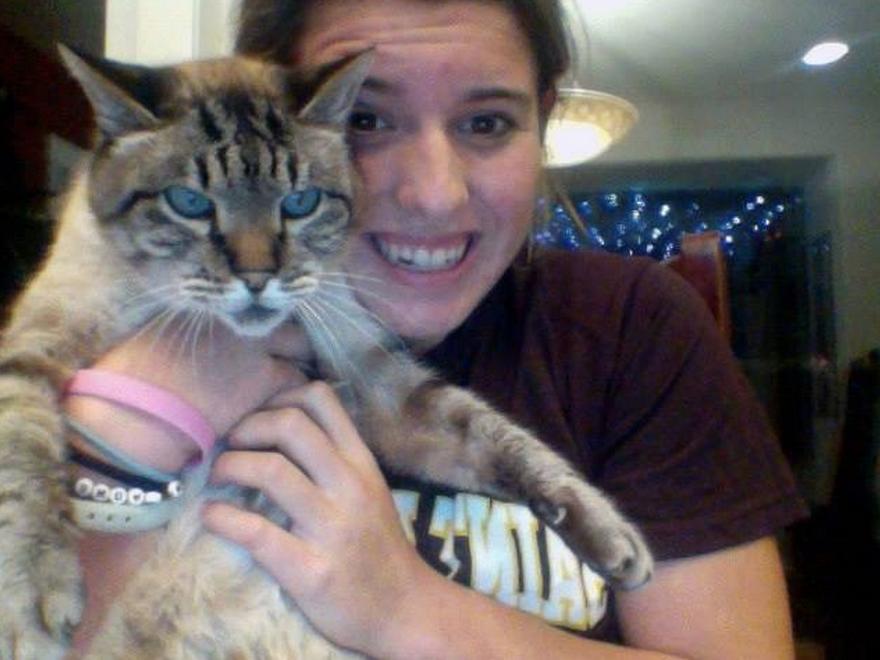
“Auto was the best cat ever. In 6th grade, I broke my leg and was stuck at home all the time. was very upset and mad about not being able to play soccer or do any physical activity. Auto would come to my room and cuddle with me because he knew I needed it. He quickly became my best friend. Auto had an ability to bring me happiness in my life and for that, I thank him.” – Source: Lexi Schumacher
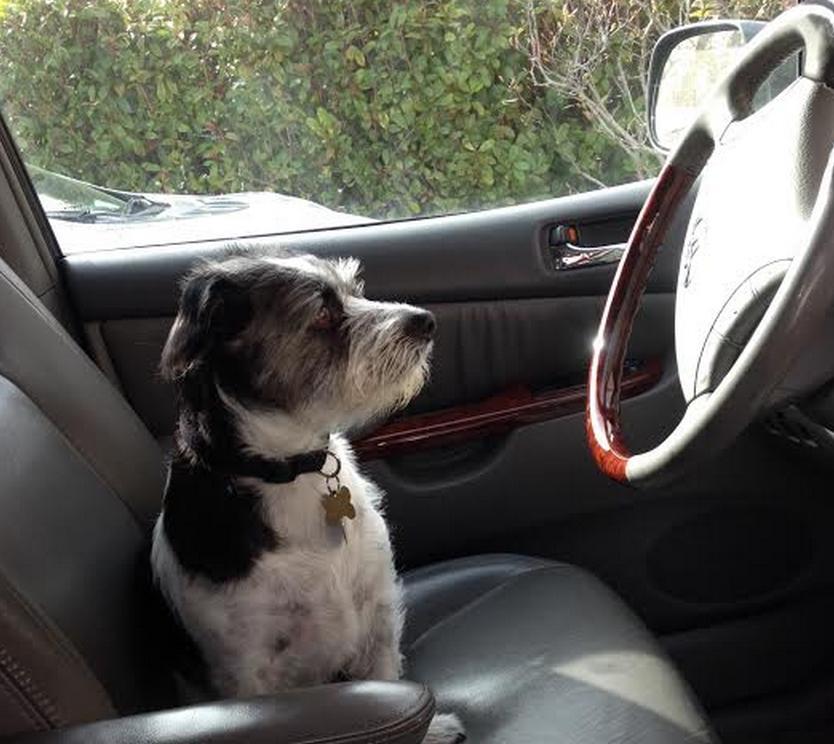
“Whenever my brother and I get into pillow fights, Snoopy misinterprets it and thinks we’re attacking each other. He’ll guard me from the aggressive pillow attacks and even chase my brother away.” – Source: ‘ Snoopy’ by Rohan Shankar
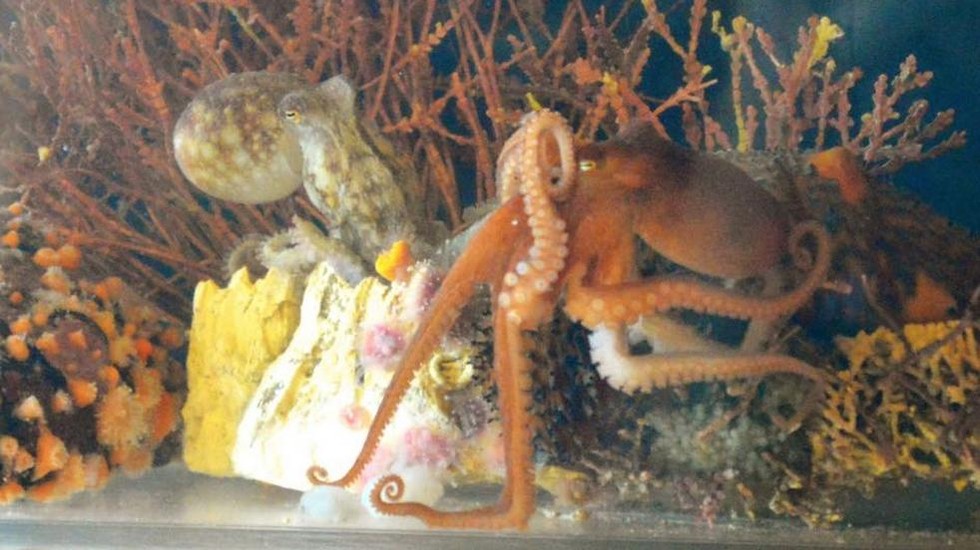
“Well, octopuses are very intelligent creates, smarter than the average house cat. They can actually remember tastes and sounds and touch which is super cool. So Jane and Morrie, named after Jane Goodall and the book Tuesdays with Morrie, respectively, would actually recognize the difference my finger and food. Whenever I put my hand in the water, their little arms would wrap around my fingers as they “smelled” or sensed me and it would be fun playing tug of war with their little suckers. It was fascinating and comforting to know my pets recognized me and loved me, as unique and wild as they were.” – Source: Meg Kikkeri
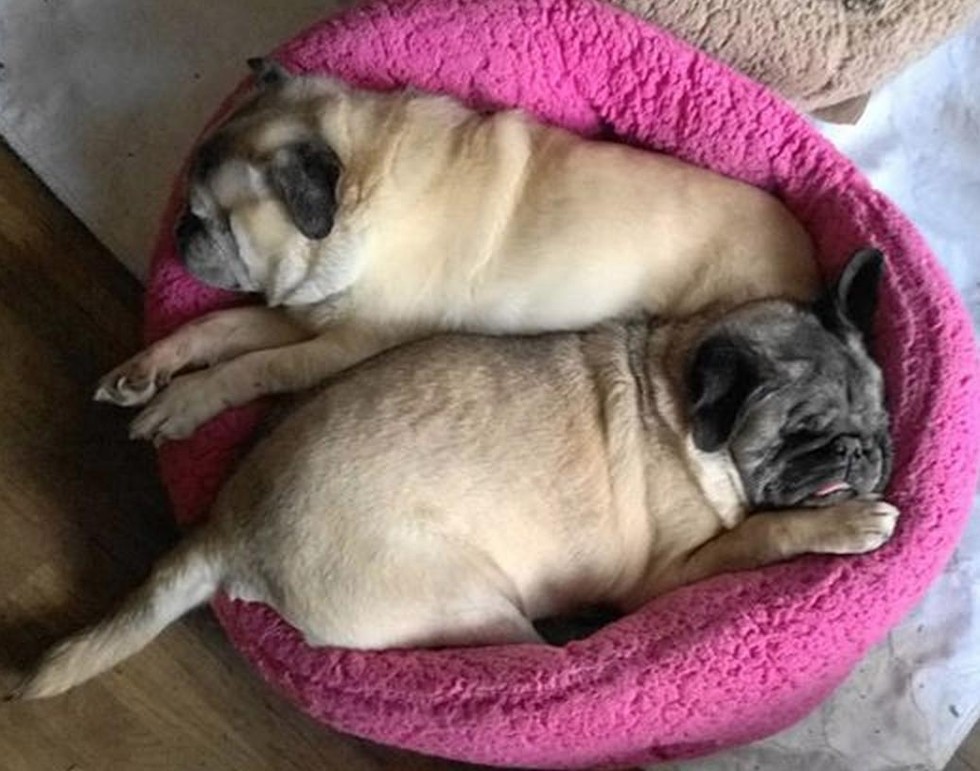
“Puggies in Pink….These two sweet old pugs, Jake and Jeff, cuddle up to say goodnight to everyone.” – Source: facebook.com/oldfriendsseniordogsanctuary
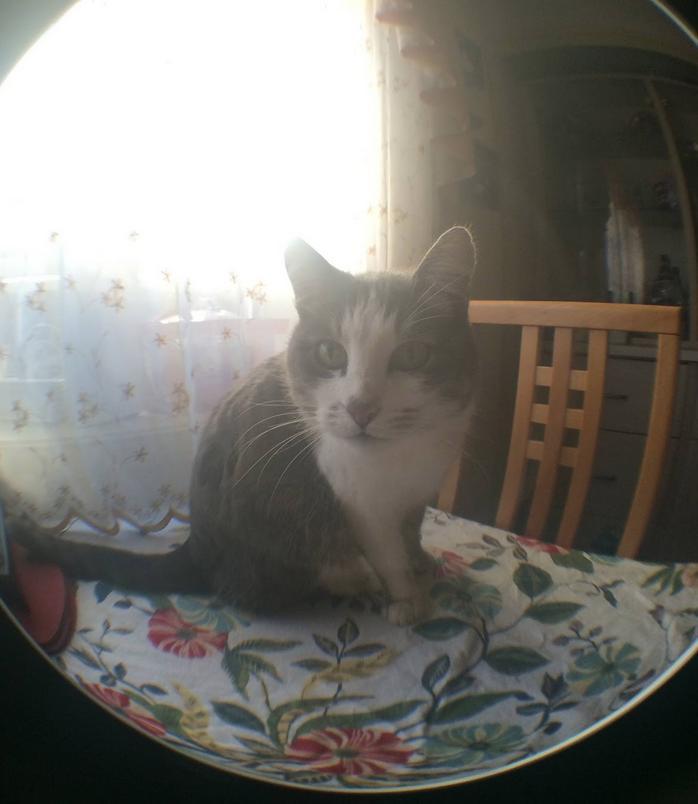
“One of my favorite memories with bickle was probably when he slept in my room almost everyday for two weeks. Whenever I would wake up to go to school, he would wake up and snuggle with me because he didn’t want to go outside. He would try to sit on me so I wouldn’t leave, but eventually i had to get up, feed him, and put him outside.” – Source: Aly Basa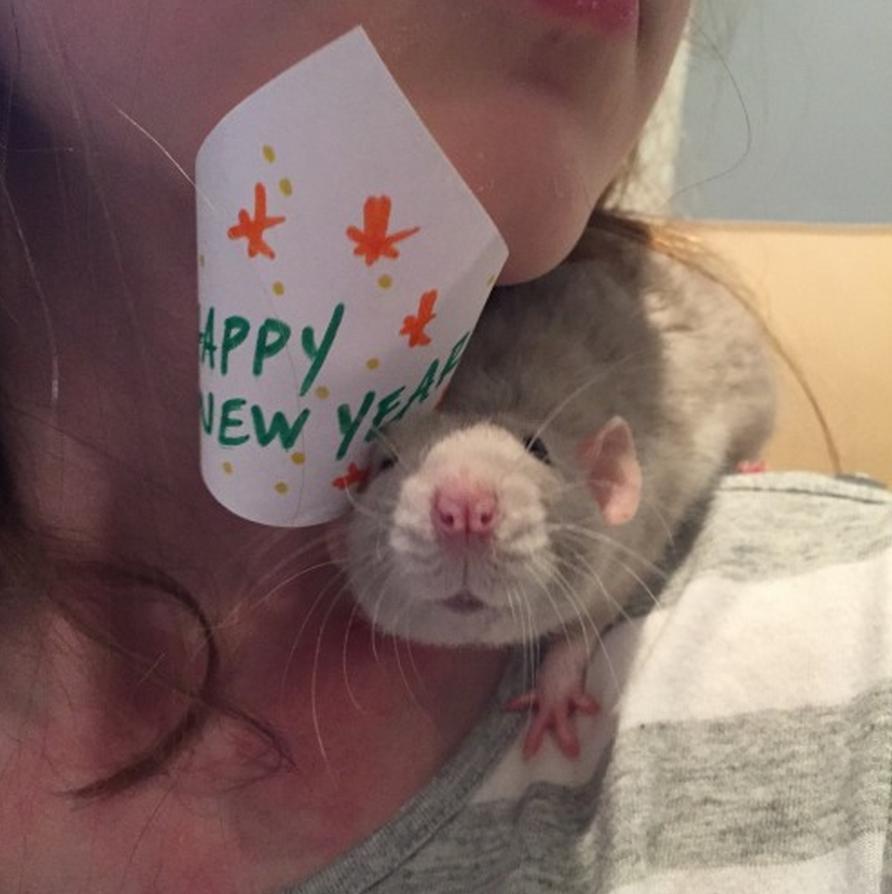 “Willow, one of my two adorable rats, refused to get into the New Year’s spirit and wear her hat. She is also a professional chef, her culinary special being rat-atouille.” – Source: http://plantrats.tumblr.com/
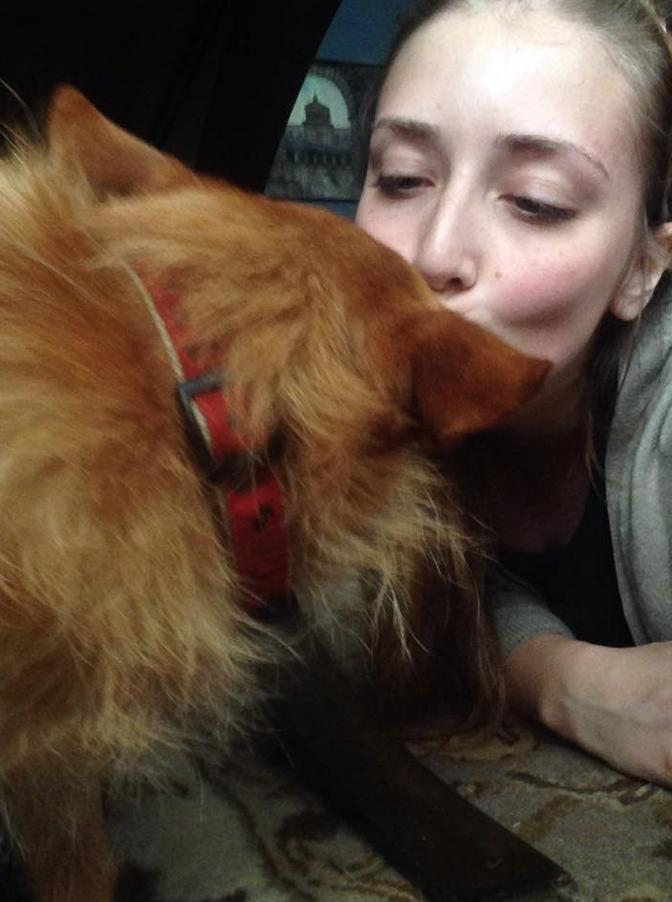
“One day when I was home alone, I heard the sound of someone walking. I called out, but they didn’t respond. My dog, Moose, started going crazy. He wouldn’t stop barking, even when the intruder muffled him. He gave me enough time to call the police by distracting the intruder. Though he is only 8 pounds, he makes a great guard dog.” – Source: Kelly H-Franz
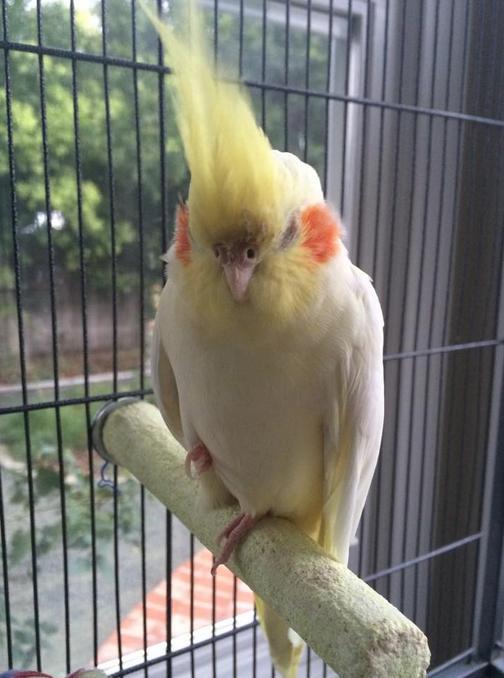
“When you hold my bird, Avery, on your shoulder she’ll scoot closer and closer into your neck if she’s cold. And if she’s particularly cuddly that day she will nudge you to rub her head. If you rub her ears, which I call her ‘rosy cheeks’ it will lull her to sleep – it’s so cute.” – Source: Maddy Armer
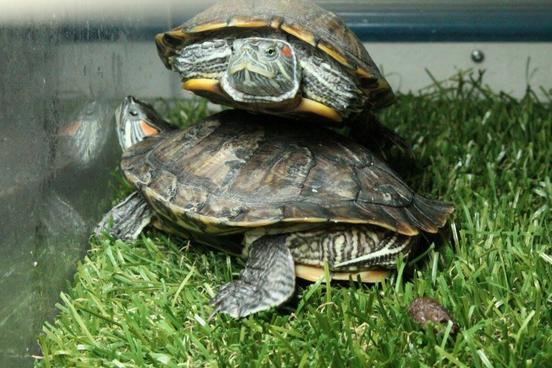
“The other day I saw my turtles, Michaelangelo and Donatella, positioned like this when I came into my room. I think they were trying to reenact Titanic.‘ – Source: Justin Lee
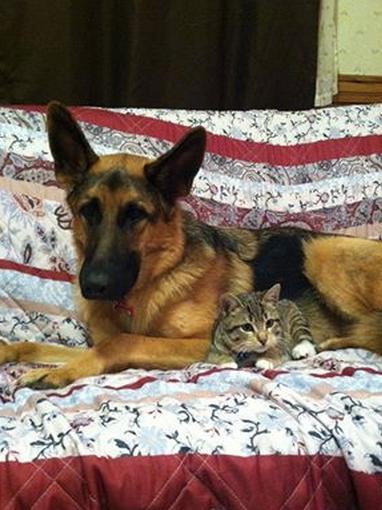
“We adopted Loki (formerly known as Boris) two weeks ago and he’s adjusted to his new home beautifully….he’s absolutely adored by his “big brother” Blake, our German Shepherd. The two are inseparable!” – Source: https://www.facebook.com/sanjoseanimalcarecenter/photos
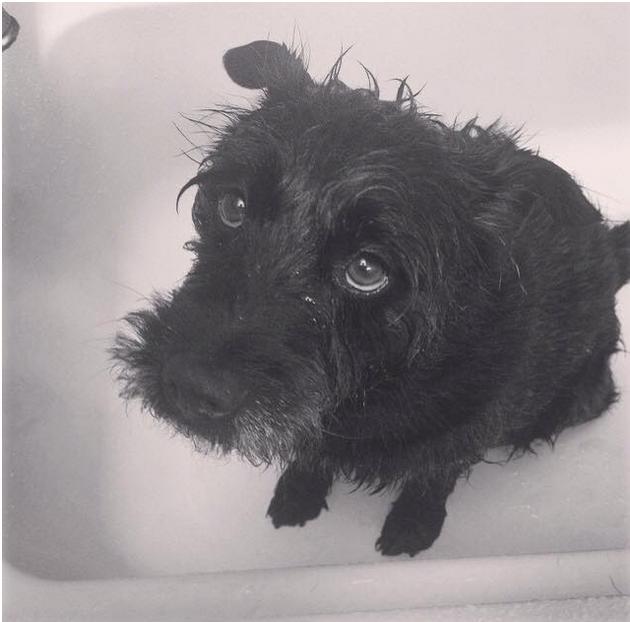 “At a pet expo a few says before my 16th birthday, I saw Scrappy and instantly fell in love with his scruffy messy black fur and he was also available for adoption. My dad agreed that Scrappy would be a good match for our family and our pets, and we adopted and brought him home. Scrappy never fails to cheer me up when I’m down and loves going on hikes with me. Scrappy is the best present I have ever gotten for my birthday and will also be my favorite (and only) birthday dog!” – Source: Lexi Schumacher
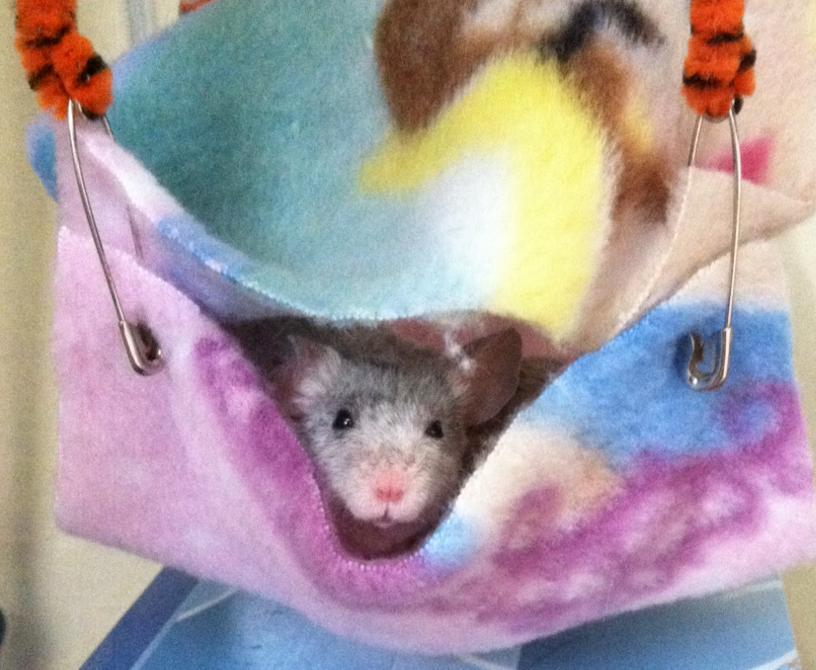 “I made my mouse, Merle, a Disney hammock. I think it’s safe to say she likes it.” – Source: http://darlingrats.tumblr.com/image/90532789715
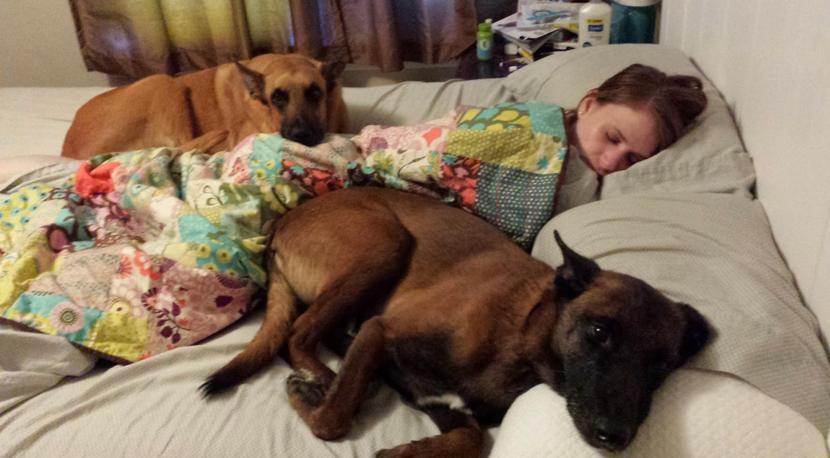
“This is what happens when I don’t get into bed the same time as my wife.” – Source: reddit.com/r/aww/comments/1fo7pz
*Images included in this post are not owned by 1FUR1 Foundation. Quotes are paraphrased.
Alzheimer’s and dementia are lonely diseases. Diagnosed patients get frustrated and anxious in social situations and choose to isolate themselves from people. This is where animal assisted therapy programs come in. Animal-assisted therapy programs benefit Alzheimer’s and dementia patients by promoting social interaction. “Sometimes you get a resident here who is not very social, keeping to themselves a lot, and the animal is a tool that we use to bring the resident in, that we use as a conversation piece,” said Candice Kisner, a therapist at Lakeview Ranch, an assisted living facility with an animal-assisted therapy program.
The Alzheimer Project says animal-assisted therapy works for people with Alzheimer’s and dementia because “people with dementia recognize a pet in the environment as friendly and non-threatening.” Alzheimer’s and dementia patients often find social situations stressful and the animals become a topic of conversation that puts the patients at ease.
Several studies conducted in the early 2000s and beyond show the benefits of animal assisted therapy on Alzheimer’s and dementia patients. Most found, as a 2004 study in the American Journal of Alzheimer’s Disease and Other Dementias states, that animal-assisted therapy “showed statistically significant decreases in agitated behaviors and a statistically significant increase in social interaction.” Studies have also shown that these programs lower patients’ blood pressure, help them heal faster from heart attacks and strokes, and keep patients at healthy weights. Malnutrition is a danger for Alzheimer and dementia patients, but spending time with animals encourages them to eat more.
Therapy animals also help patients with their mobility. Patients will play with the animals and the therapists ask questions about the animals, strengthening cognitive ability along with mobility. Dogs are the most popular animal-assisted therapy animals for Alzheimer and dementia patients, but animals from miniature horses to ducklings can be therapy animals as long as they have a patient and pleasant demeanor.
Sue Halpern, a writer who trained her dog Pransky to become a therapy dog in a nursing home, says the work is hard but rewarding. “[The patients] are getting a warm feeling, a feeling of connectedness and joy that is unexpected,” Halpern told Today. She wrote a book about Pransky’s therapy dog experiences, titled A Dog Walks into a Nursing Home and recorded a video which explains why she trained Pransky as a therapy dog, as well as what that training entails.
Everyone knows how stressful college can be. There are midterms, papers, and theses as far as the eye can see. Wouldn’t having a furry companion make it more bearable? Now, having a therapy dog on campus can be a reality.
Many college students suffer from depression, anxiety, and other mental illnesses. More and more students are anxious and lonely, which puts a strain on college counselors, who have a set budget and can only spend so much time helping their students.
Counselors are better equipped to help students who are failing classes or needing help deciding what courses to take in the future. Researcher Dr. Franco Dispenza says more students are going to their counselor “with post-traumatic stress disorder, anxiety disorders, pervasive mood disorders and considerable contextual strains that are happening out in the world, such as poverty and experiences of homelessness, as well as a history of medical issues and family health issues” (Georgia State University).
With their students’ mental health at stake, some universities are turning to therapy dogs to help their students cope. Carroll College, a small school in Helena, Montana, brings therapy dogs into their library during finals week, which helps their students to focus on their studies and decrease their anxiety.
Dr. Michelle Bjick performed an experiment at St. Catherine University, an all female college, in order to see how therapy pets effect the students’ stress and arousal levels. The participants were divided into four groups, with appointments set up.
At the time of their appointments, the participants went into one of three rooms and spent the entirety of their appointments petting a small rabbit. The study found that, of the thirty two participants, twenty nine reported lower stress levels. (Bjick) This quantifiable data shows that pet therapy is a viable solution to improve the mental wellness of college students.
This tactic does not need to be restricted to colleges. The University of Arizona brought a golden retriever and golden doodle to the law school library to help their students be at ease. There have been many case studies that prove that pet therapy is a cost-effective way to help students with mental illnesses to excel and feel a sense of calm. One educator partnered dogs with students with behavior problems, which helped one student to curb their need to steal (Anderson). As long as the students like animals, there should be no problem with expanding pet therapy in school.
Image via Wikimedia Commons (author: Akaporn Bhothisuwan)
When friends of cancer patient Anthony Lyons of Phoenix, AZ, posted a request on Facebook for “photo doggies for Anthony” to cheer him up, they did not anticipate the overwhelming response the request would receive.
Lyons, 16, was diagnosed with acute lymphoblastic leukemia last July. Therapy dogs visit him twice a week at Phoenix Children’s Hospital. Seeing his spirits lift when the dogs visit, a family friend began a Facebook event wherein people could submit pictures of their doggies for when the therapy dogs were not available.
The Facebook page went viral. Hundreds of thousands of dog, cat, and other pet photos and well-wishes flooded the page. Some people posted pictures of their own pets with cancer.
“It’s reassuring because you look at the pictures of the dogs; they’re sick all the time but they’re still happy. They’re happy to be alive. I’ve never met a sad dog,” Lyons told the Associated Press.
Lyons told Fox10 Phoenix that his mother shows him all the pictures posted to the page. “It really helps, the pet therapy. Like I can be in here having a really bad day and then one of the dogs will show up and it will be the highlight of the day.”Animal-assisted therapy programs are invaluable to cancer patients like Anthony Lyons.
Many people come back from their Hawaiian vacations excitedly telling a story of how they swam with dolphins, mentioning how relaxing and amazing it was. However, swimming with dolphins can be more than just a great anecdote from a fun trip. This type of therapy is typically utilized on patients who suffer from Down syndrome, autism, anxiety disorders, and even addictions.
Dolphin-assisted therapy (DAT) was introduced in the 1960s by John Lilly, a dolphin-human communication expert. In the 1970s, dolphin researchers observed children with neurological impairments interacting with dolphins, which confirmed Lilly’s hypothesis. Dr. David Nathanson was the first to put dolphin assisted therapy into effect. Dr. Nathanson started his experiment with two subject, both young males who suffered from Down syndrome (BioExpedition). He hoped to use this type of therapy to modify the behavior of these young men, as both were attention deficit.
He found that the dolphins did, in fact, increase the subjects’ attention. The two were allowed to feed the dolphins treats if they answered the experimenter’s questions correctly. Given the possibility of positive reinforcement, the subjects did as they were asked. They were able to process and retain verbal information. Compared to the learning practices that were in use at this time, the subjects learned the verbal commands four times faster than they would have in a traditional setting. (Nathanson 1980).
For those with cognitive delays, swimming with dolphins, also called dolphin assisted therapy can work wonders on their cognitive, physical, and psychological development. When two weeks of DAT was compared to six months of conventional therapy, it was found that DAT was less expensive and far more effective. (cite anthrozoos)
However, DAT should only be used when all ethical practices are followed. There have been cases where the unwillingly domesticated dolphin bites the child it is supposed to be helping.